Pole Shed Knowledge Centre
How Much Does a Pole Shed Cost in NZ?
Pole shed pricing in New Zealand depends on the actual specification rather than one simple metre rate. Size matters, but so do wall closures, roof style, doors, cladding, engineering and site conditions.
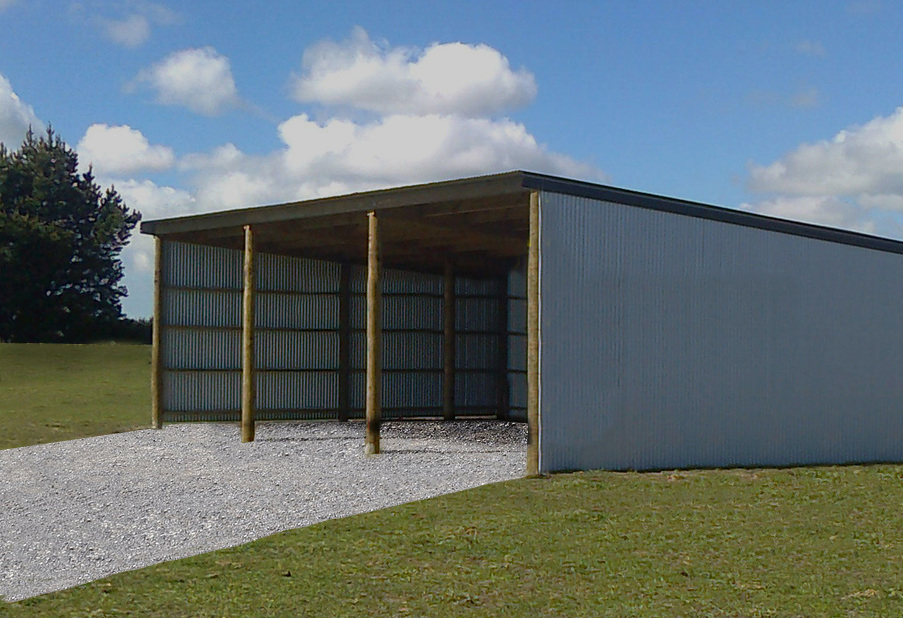
Pole shed pricing in New Zealand depends on the actual specification rather than one simple metre rate. Size matters, but so do wall closures, roof style, doors, cladding, engineering and site conditions.
The biggest cost drivers
Width, depth and bay count drive the frame and cladding quantities. Height, roof type and wind loading affect engineering and structure. Enclosed walls, roller doors, PA doors, windows, spouting and slab choices can materially change the quote.
Use the Baier Group shed designer to turn these choices into a quote-ready concept. The more specific the design, the easier it is to discuss materials, engineering and final pricing.
Why indicative prices are only a starting point
Two sheds with the same footprint can price differently if one is open-front and the other is enclosed with doors, windows, higher eaves and more demanding site conditions. Baier Group quotes from the design details so the result reflects the shed you actually want.
How to get a better price on your pole shed
Clear, complete information is the quickest way to a better quote. Start with a finished plan from the online shed designer and include simple site details so our team can price accurately without repeated follow-ups.
What to include with your design
- Completed shed plan: roof style, bay count, depth, cladding and all door/opening locations.
- Site photos and access notes: flatness, slope, driveway width, gate height and any obstacles for delivery or crane access.
- Service locations: where power, water and effluent (if relevant) enter the site.
- Ground and boundary info: visible soil type (rocky, clay, free-draining), boundary setbacks and proximity to existing buildings.
Cost‑saving choices to consider
- Use standard bay widths and roof pitches where practical — custom spans and deeper sheds often need larger rafters and heavier engineering.
- Limit clear spans or add internal posts if you can — clearspan rafters cost more than framed bays with posts.
- Choose practical cladding: long-run roof and common corrugated wall claddings are usually more economical than specialised profiles.
- Plan openings efficiently: fewer large roller doors are typically cheaper than many bespoke openings and internal walls.
- Bundle work: combining framing, cladding and hardware into one order often reduces handling and delivery costs.
Before you accept a quote
- Ask for an itemised quote so you can see where costs sit (structure, cladding, doors, engineering, foundations, extras).
- Confirm whether the quote includes engineering and any foundation work, or if those will be quoted separately.
- Check delivery and site-prep requirements—restricted access, rock excavation or crane work can add cost.
If you already have a design, send it plus site photos to our team. A clear brief means fewer revisions, faster pricing and a better chance of keeping your project on budget.
Next steps
Start with the shed use, then choose a realistic footprint, bay count and wall layout. If you are comparing options, save the practical features first: access, weather protection, height and enough room to work safely around equipment.
Frequently Asked Questions
Can Baier Group give an instant final price online?
No. The design tool prepares the specification, but final pricing depends on site, engineering, materials and project details.
Are open-front pole sheds cheaper than enclosed sheds?
Usually, because there is less wall cladding and fewer openings, but final pricing still depends on span, height and engineering.